
Understanding Fat Loss Tracking with DEXA Scans
Updated: Apr 9
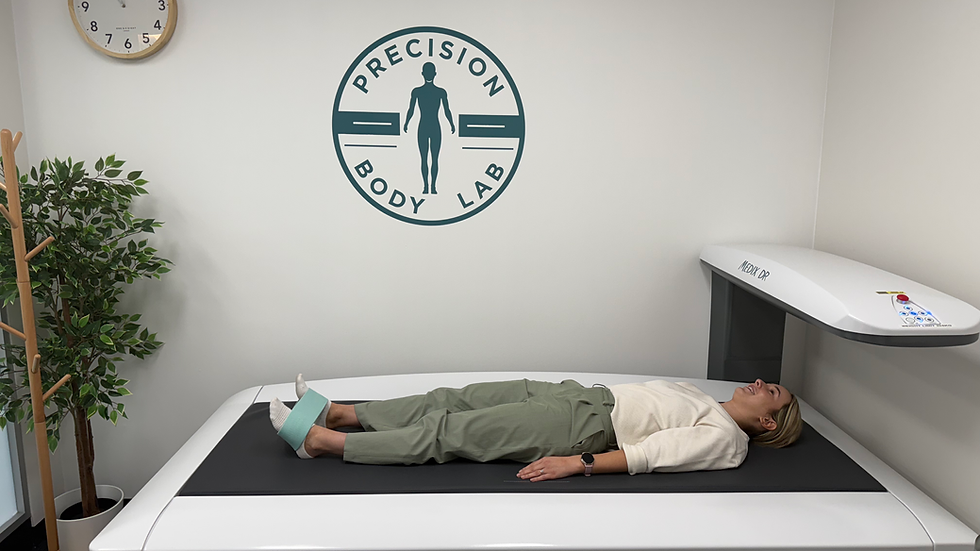
Fat loss tracking is more than just watching the numbers on a scale. It’s about knowing exactly what changes are happening inside our bodies. DEXA (Dual-Energy X-ray Absorptiometry) scans provide a precise breakdown of body composition, including:
Fat mass: The total amount of fat in our body.
Lean mass: Muscle, organs, and other non-fat tissues.
Bone density: The strength and health of our bones.
This level of detail helps us see beyond weight fluctuations caused by water retention or muscle gain. For example, if we’re losing fat but gaining muscle, our weight might stay the same or even increase, but our body composition is improving.
Using a DEXA scan allows us to track these changes accurately over time. This data can guide adjustments in diet, exercise, and lifestyle to ensure progress is real and sustainable.
Why Fat Loss Tracking Matters
Many people focus solely on weight loss, but this approach can be misleading. Here’s why tracking fat loss specifically is important:
Improved health outcomes: Reducing excess fat, especially visceral fat around organs, lowers the risk of chronic diseases like diabetes and heart disease.
Better fitness results: Knowing our lean mass helps tailor training programs to build muscle and improve strength.
Motivation and accountability: Seeing precise changes in fat and muscle can keep us motivated, even when the scale doesn’t move much.
Avoiding muscle loss: During weight loss, it’s common to lose muscle along with fat. DEXA scans help us monitor this and adjust nutrition or training to preserve muscle.
By focusing on fat loss rather than just weight loss, we can make smarter choices that support long-term health and performance.
Is 20% Body Fat Still Fat?
Body fat percentage is a useful metric, but it’s important to understand what it means in context. For many people, 20% body fat is considered healthy and normal, especially for women. For men, it might be on the higher side but not necessarily unhealthy.
Want to know your exact numbers? Book a DEXA body composition scan at Precision Body Lab → https://www.precisionbodylab.com.au/book-online
Here are some points to consider:
Body fat distribution matters: Where fat is stored affects health risks. Fat around the abdomen (visceral fat) is more concerning than fat in hips or thighs.
Individual differences: Genetics, age, and activity level influence what body fat percentage is ideal.
Performance goals: Athletes might aim for lower body fat to improve speed or endurance, while others prioritize overall wellness.
Rather than fixating on a specific number, it’s better to track trends and how our body feels and performs. A DEXA scan can show if our fat loss is happening in the right areas and if we’re maintaining muscle mass.
How to Use DEXA Scan Results for Fat Loss Progress
Once we have our DEXA scan results, the key is to use the data effectively. Here’s how we can make the most of it:
Set realistic goals: Use our current body composition as a baseline. Aim for gradual fat loss while preserving or increasing lean mass.
Track changes over time: Schedule scans every 8-12 weeks to monitor progress. Look for decreases in fat mass and stable or increased lean mass.
Adjust nutrition and training: If fat loss stalls or muscle decreases, tweak our calorie intake, protein consumption, or workout routine.
Celebrate non-scale victories: Improved bone density or increased muscle mass are positive changes that might not show on the scale.
Using this data-driven approach helps us avoid guesswork and stay on track with our fat loss journey.

Practical Tips for Maximising Fat Loss with DEXA Tracking
To get the best results from fat loss tracking with DEXA scans, consider these practical tips:
Stay consistent with scan timing: Get scanned under similar conditions (time of day, hydration, fasting) to ensure accurate comparisons.
Combine with other measurements: Use tape measurements, progress photos, and strength tests alongside DEXA data.
Prioritise protein intake: Protein supports muscle retention during fat loss.
Incorporate resistance training: Building muscle helps increase metabolism and improves body composition.
Be patient and persistent: Fat loss is a gradual process. Use DEXA scans to stay informed and motivated.
By integrating these strategies, we can make fat loss more effective and sustainable.
Moving Forward with Confidence
Tracking fat loss with DEXA scans gives us a clear, objective view of our body composition. This insight empowers us to make smarter decisions about diet, exercise, and lifestyle. It also helps us avoid common pitfalls like losing muscle or focusing too much on the scale.
If we want to understand our body better and track our fat loss progress with precision, consider incorporating DEXA scans into our routine. This approach supports long-term health, fitness, and performance goals with reliable data we can trust.
Remember, fat loss is not just about looking better - it’s about feeling stronger, healthier, and more confident in our bodies every day.
Conclusion
In conclusion, understanding body composition is crucial for achieving our health and fitness goals. By utilizing DEXA scans, we can gain valuable insights into our fat and muscle levels. This knowledge allows us to make informed decisions about our nutrition and exercise routines.
Let’s embrace this journey together, using the data we gather to guide our progress. With each scan, we can celebrate our achievements and stay motivated on our path to better health.
Tracking fat loss accurately is not just a number; it’s a pathway to a healthier, more fulfilling life.
Ready to see your own results?
Book a DEXA body composition scan at Precision Body Lab - Sydney's dedicated DEXA clinic in Miranda. Trusted by 1,000+ clients, rated 5 stars on Google.
Book your scan → https://www.precisionbodylab.com.au/book-online


Comments